Projects made with real places, real constraints, and the people who know them best.
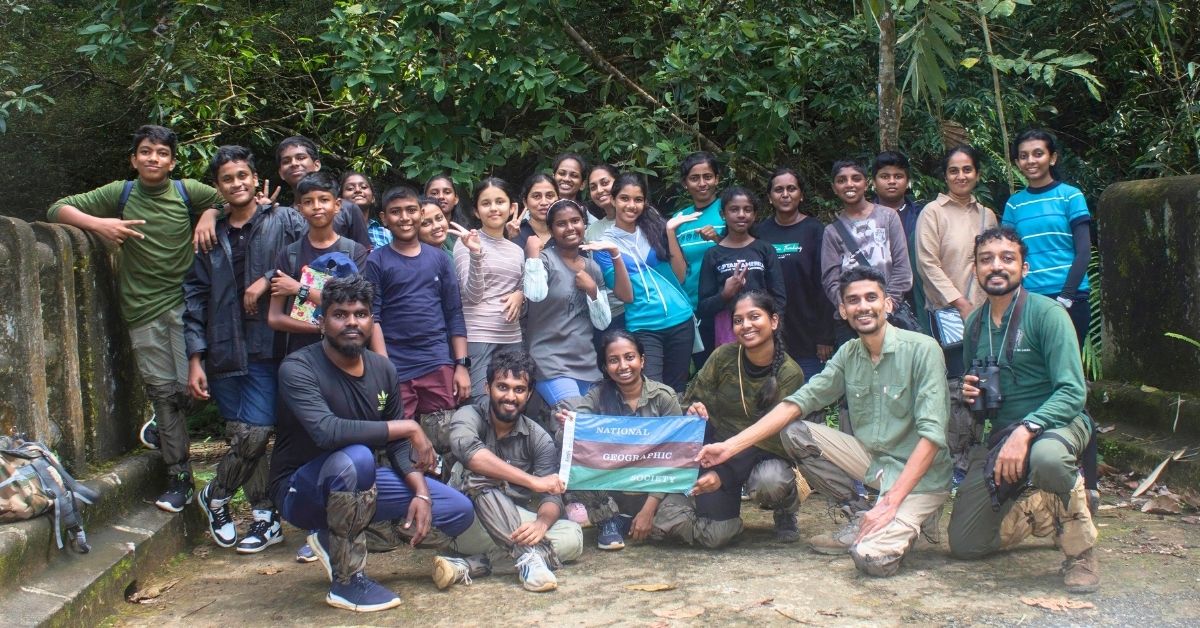
Schoolyard Scientists at Sinharaja Forest Reserve. Photograph: Rukmal Rathnayake.
2024–present
Schoolyard Scientists
Schoolyard Scientists began with a question: what if children could learn biodiversity by documenting the living world just beyond their classroom doors? Students and teachers across seven provinces of Sri Lanka explored school grounds, joined field visits, ran Bioblitzes, and built a shared record of more than 550 species.
The project treats children as contributors to conservation knowledge rather than passive recipients of facts. By investigating familiar places, they begin to see exploration as a way of paying attention—not something reserved for distant landscapes or professional scientists.
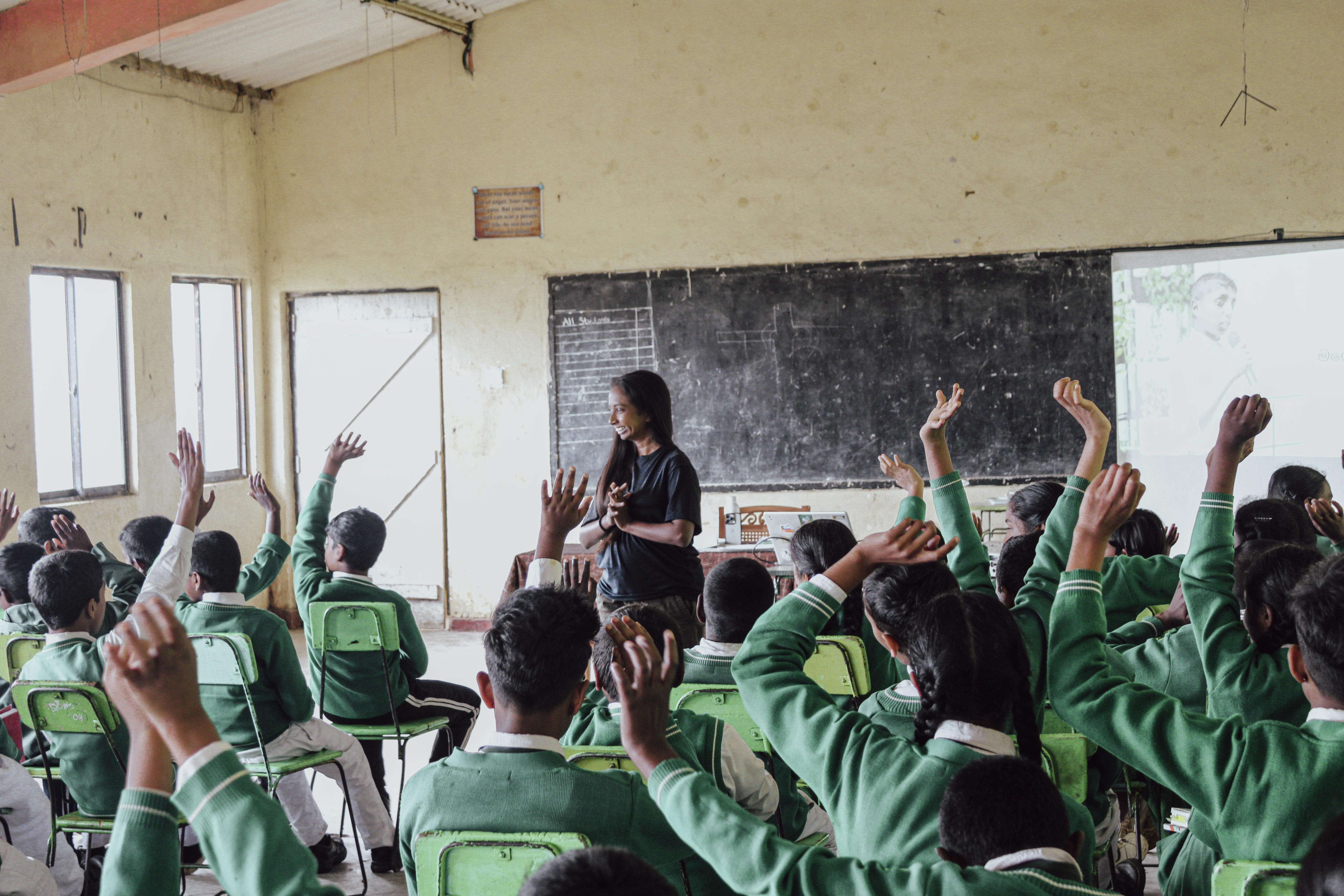
Eshadi with Children in the Central Hills. Photograph: Lasal Rathnasooriya.
2025–present
Rhino-Horned Lizard and Montane Biodiversity
A schoolyard bordering montane cloud forest in Nuwara Eliya supports a population of the endangered and endemic Rhino-Horned Lizard. The project positions this overlooked habitat as a local research and learning hub rather than treating conservation as something that happens only inside protected areas.
Ecological surveys, microhabitat mapping, native planting, disturbance reduction, teacher engagement, school Bioblitzes, and student-led monitoring bring field research and community stewardship into the same everyday landscape.
Learning design shaped through observation, teacher knowledge, and school realities.
2025–present
LINDU: Schoolyard Learning Toolkit (Forthcoming)
LINDU is a research-informed game based learning experience designed to help Grade 8 students notice, connect with, and care for nature in their schoolyards. Short missions, team roles, field observation, reflection, and small actions are woven into a format that can fit ordinary school routines.
The toolkit is being developed through design-based research with teachers and students. Its purpose is not to add another ambitious programme to an already crowded timetable, but to make nearby nature a recurring part of learning.
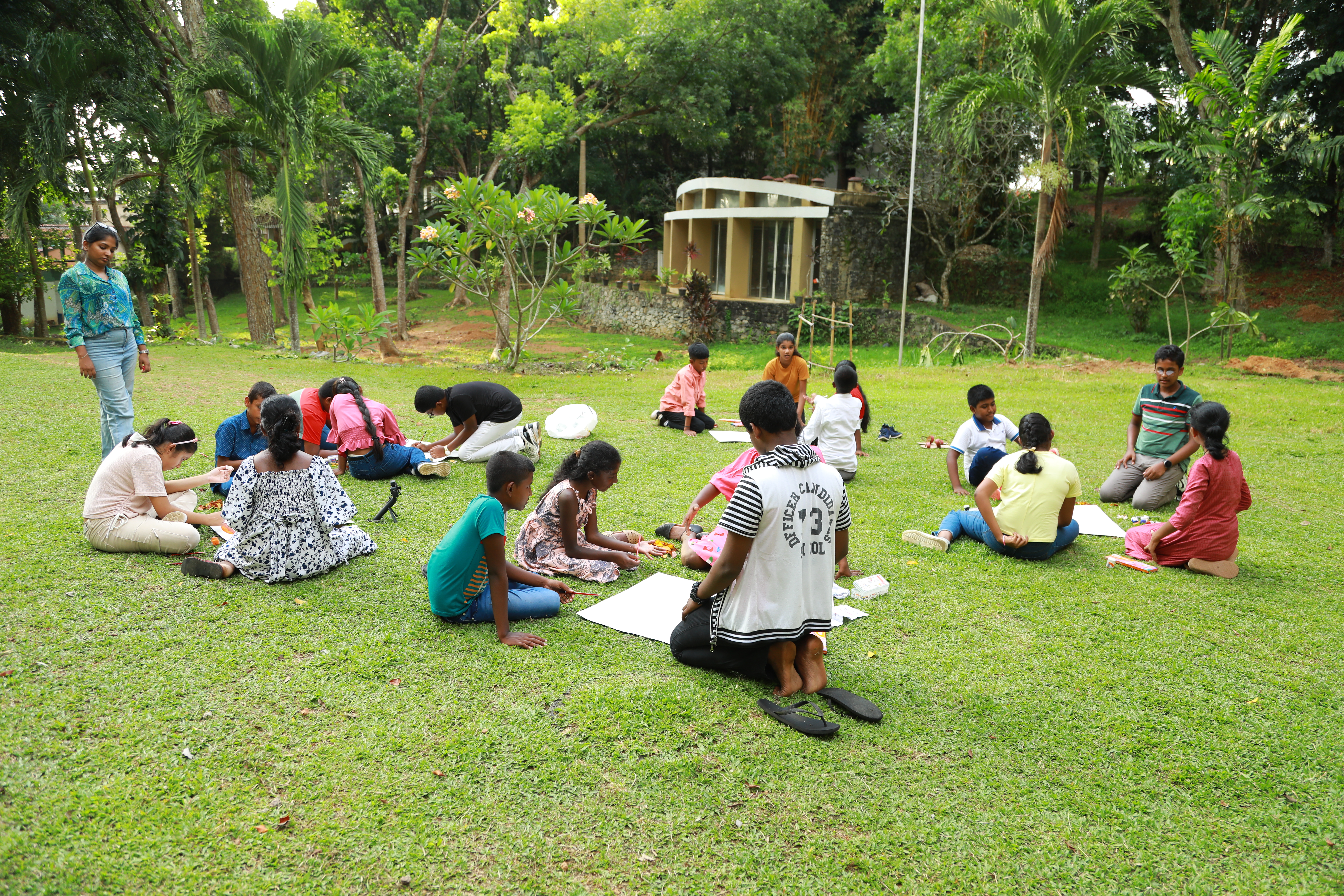
Locally grounded learning begins with the places communities already know. Photograph: Lasal Rathnasooriya
2026–2028
Eco-Mosaic
Eco-Mosaic connects children and communities in Sri Lanka, Scotland, and England through locally grounded conservation learning. Each place holds a different relationship between landscape, culture, childhood, and environmental change.
Rather than flattening those differences into one programme, the project creates space for communities to shape the stories, observations, and actions that matter in their own environments, and then learn across the mosaic.
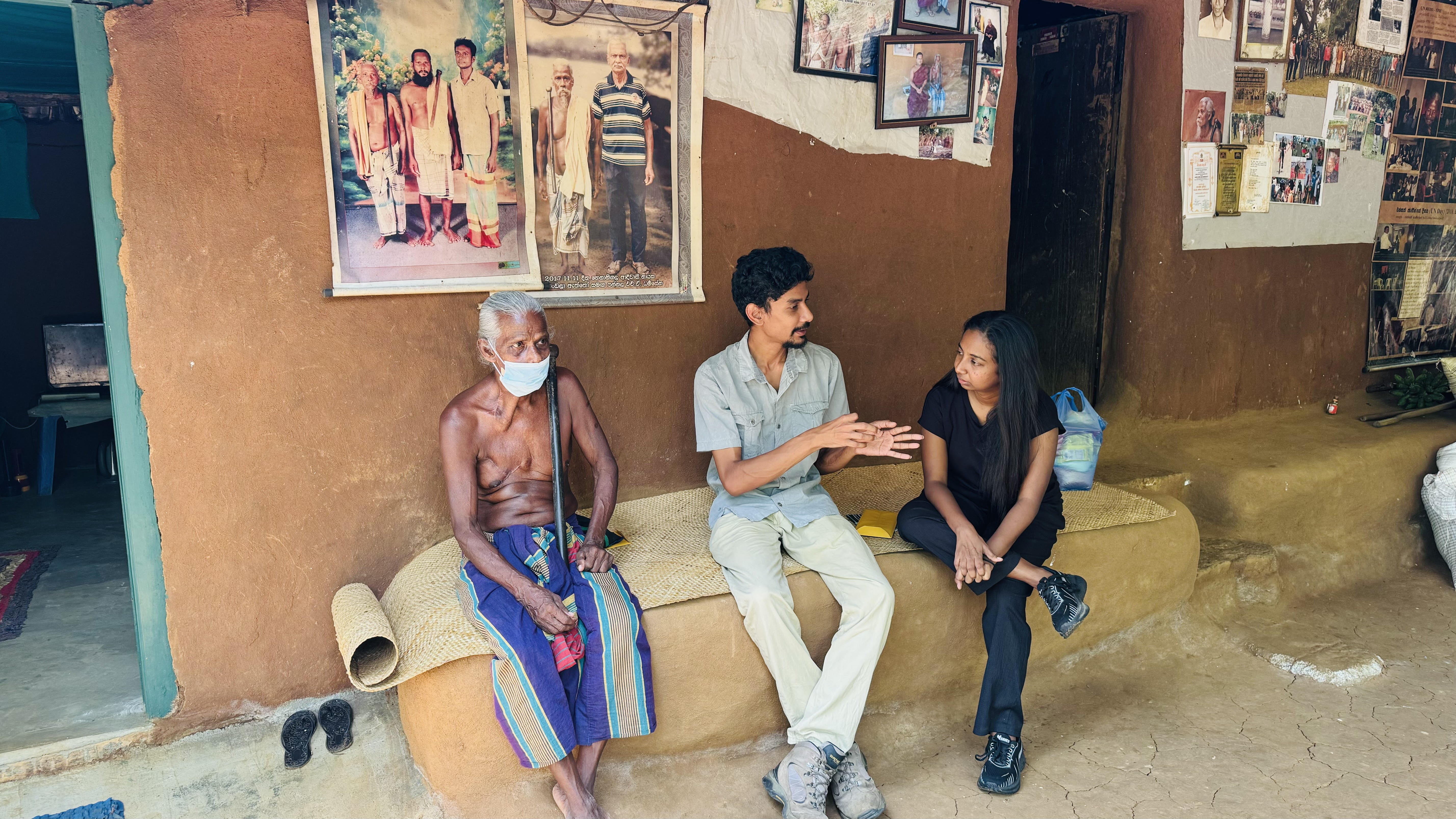
Creating spaces where young people can turn concern for nature into shared action. Photograph: Rasika Silva.
2025
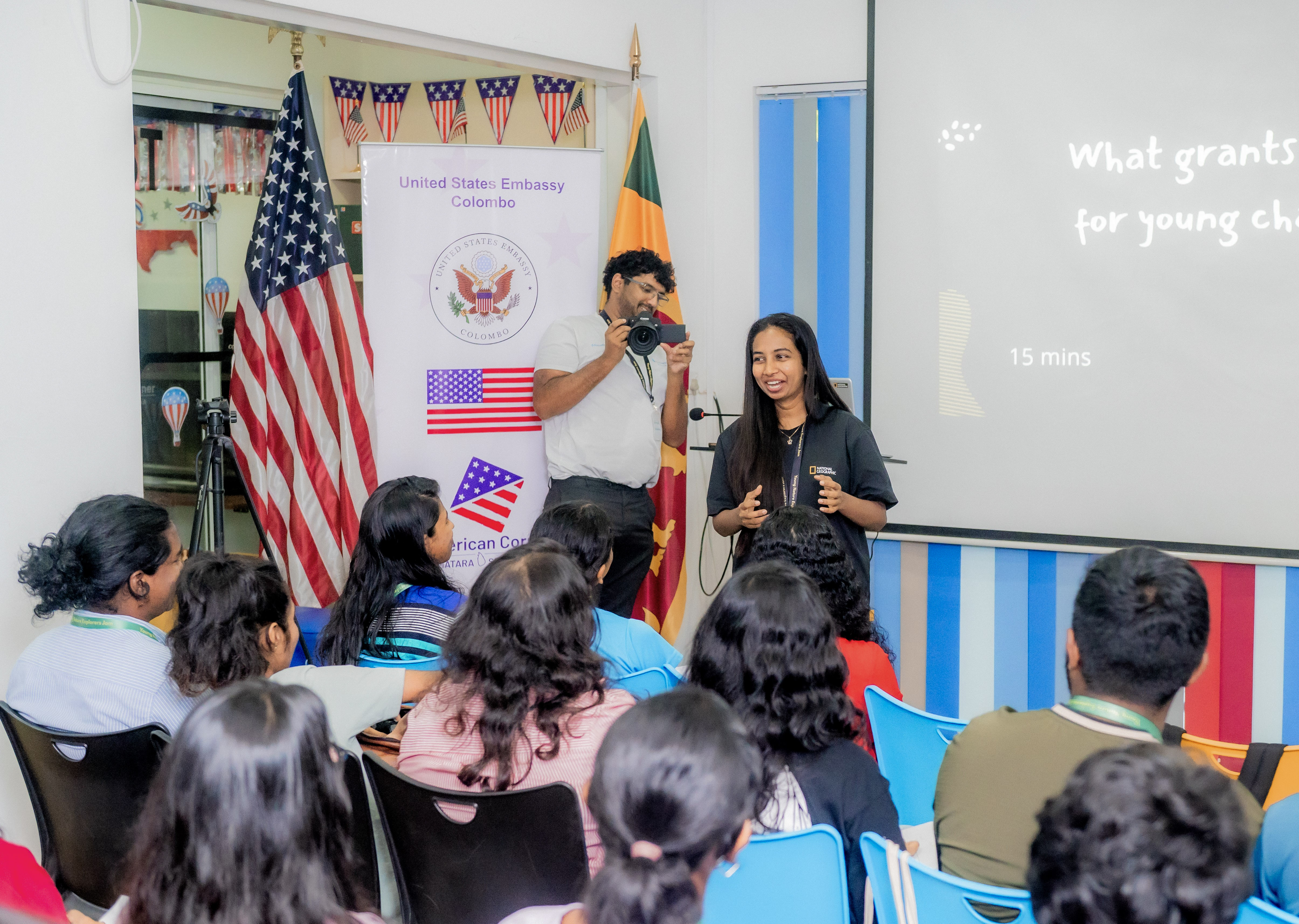
Young Nature Explorers Jam
A residential gathering for young people interested in conservation, storytelling, field exploration, and collaboration. The Jam was designed as a space where participants could meet peers, encounter new forms of environmental work, and turn personal concern into practical ideas.
The emphasis was on curiosity and participation: young people leading with questions, finding collaborators, and recognising that there are many ways to contribute to the living world.
Other collaborations
Explorer–Educator Exchange
A Sri Lanka–Netherlands collaboration developing a playful family learning experience around insects and other easily overlooked lives.
Nature in Our Hands
Consultancy supporting environmental learning and the translation of research into practical experiences.
Youth biodiversity leadership
Years of capacity-building, consultations, and international engagement through the Global Youth Biodiversity Network.