Eshadi Mendis
Environmental educator · Researcher · Civil engineer
National Geographic Explorer · Explorers Club 50, Class of 2026
Long before I had the language for ecology, I was the child who watched mung beans become plants and waited for a butterfly to emerge from its cocoon. I was curious about how the world worked, but I eventually followed a more conventional route and trained in civil engineering.
Engineering taught me to value structure, feasibility, and evidence. I worked in construction, taught at the Institute of Technology, University of Moratuwa, and later served as a Technical Officer at Sri Lanka’s Department of Buildings. Yet the more competent I became at that path, the clearer it became that it was not where my deepest questions lived.
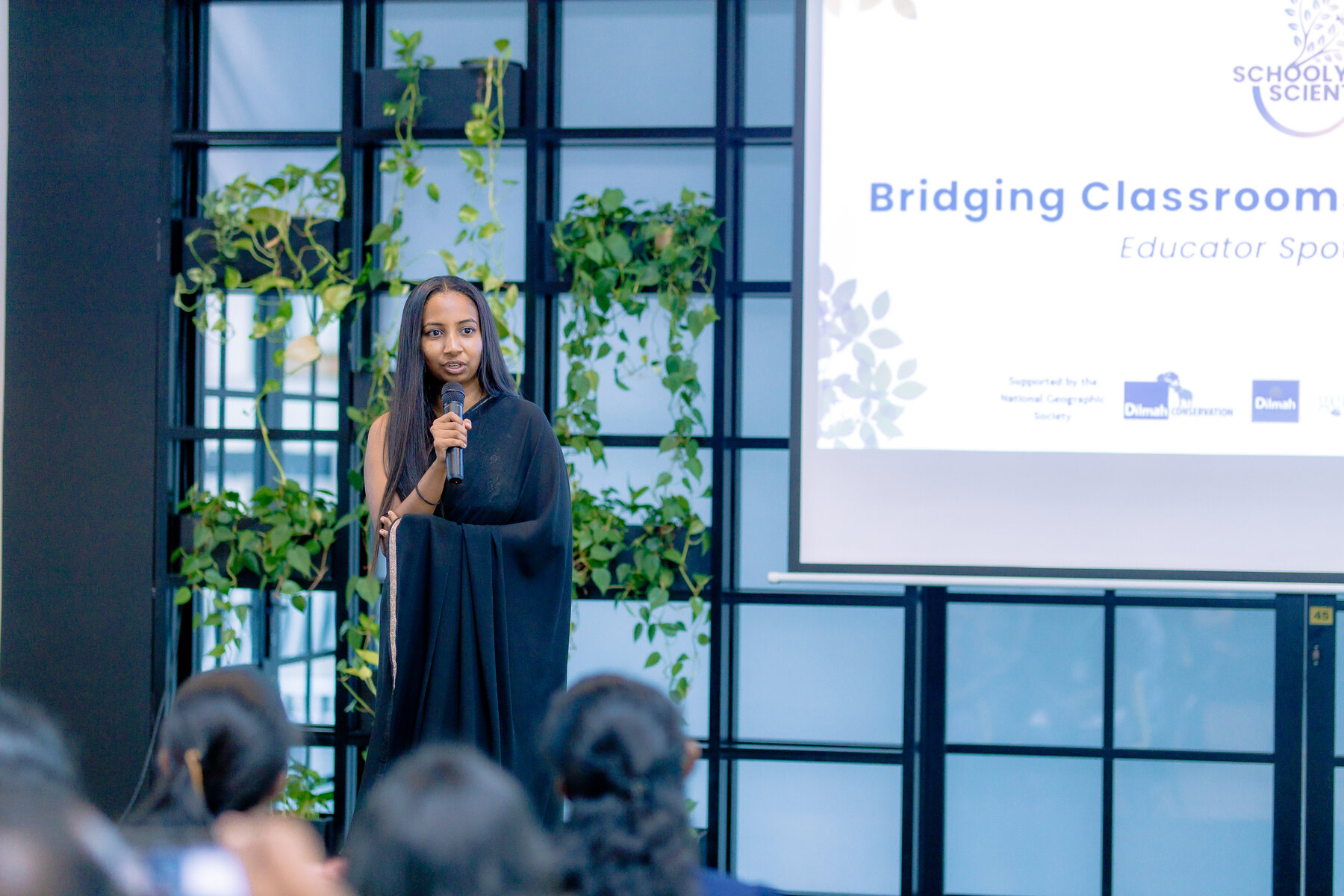
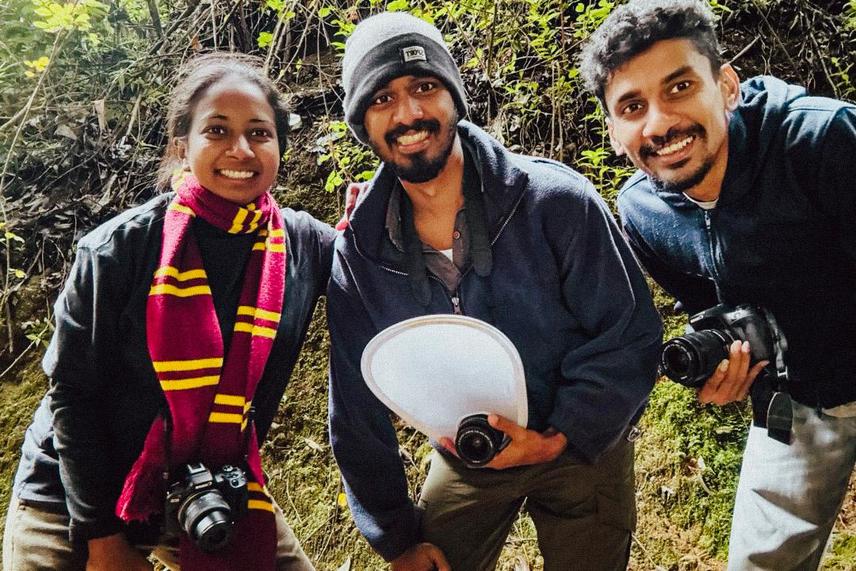
My path changed through biodiversity work and the Global Youth Biodiversity Network. What began as volunteering grew into years of organising consultations, training young people, and representing Asian youth in international biodiversity processes, including COP15, COP16, and the GEF Assembly.
Those rooms taught me that participation is not simply about inviting people to listen. Communities and young people need the power to shape the questions, contribute knowledge, and influence the decisions that affect their futures. I have since helped more than 1,200 young people engage with biodiversity policy and action.
In 2024, I founded Schoolyard Scientists with a deceptively simple question: what if every schoolyard could become a place for biodiversity discovery? Across seven provinces, children and teachers began documenting the organisms living beside their classrooms. Together they recorded more than 550 species—including endemic and threatened wildlife in places that had never been biologically documented.
The deeper shift was not only in what students found, but in how they saw themselves. They moved from receiving scientific facts to producing ecological knowledge. Familiar drains, fence lines, trees, and abandoned corners became places where questions could begin.
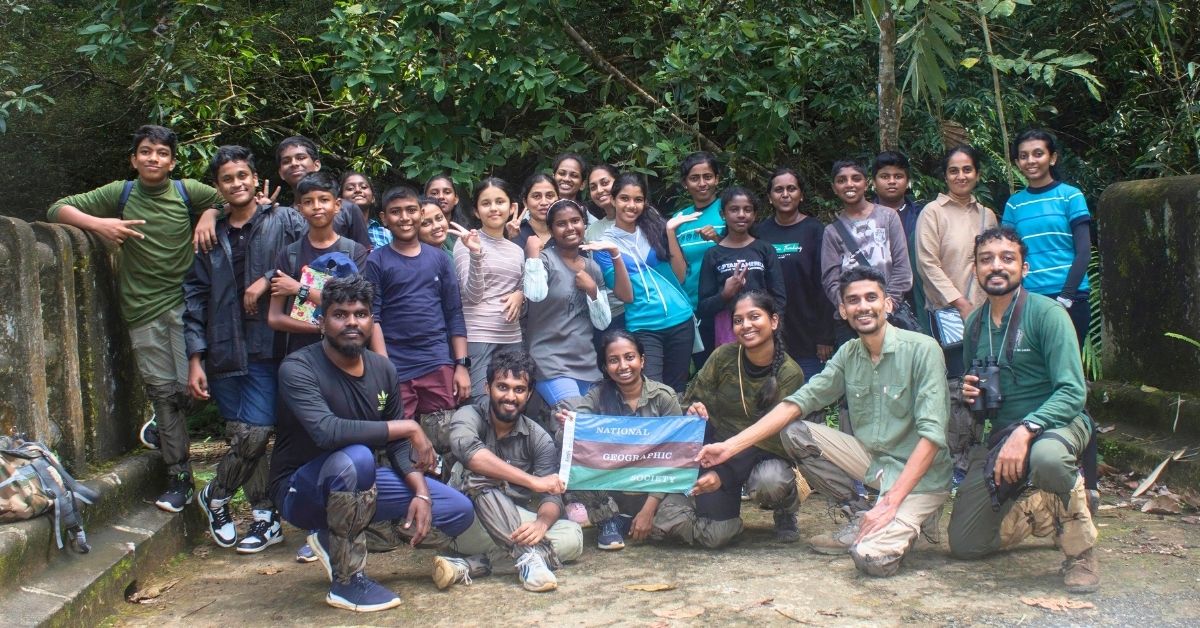

One of those schoolyards, beside a montane cloud forest in Nuwara Eliya, revealed a population of the endangered and endemic Rhino-Horned Lizard. That discovery grew into a community-led conservation project combining ecological surveys, microhabitat mapping, habitat restoration, teacher engagement, and student-led monitoring.
It reinforced the idea at the centre of my work: conservation does not begin only inside protected areas. It can begin beside a classroom, when people learn to recognise the value of what has been living there all along.
I am now a Research Assistant and MSc by Research candidate at the University of Moratuwa. My research examines how schoolyards can function as everyday environmental learning spaces and how practical tools can help children build a lasting connection with nature within real school constraints.
I work across research, education, field conservation, youth leadership, and storytelling because the problem does not live in one discipline. My hope is for an education system that treats nature not as a chapter to memorise, but as a teacher that shapes curiosity, empathy, agency, and care.