Schoolyard Scientists
Where curiosity grows wild.
Growing up in Sri Lanka, I spent hours in my grandparents’ garden, fascinated by the world around me. But that wonder faded under the pressure to memorise facts. Like most children in Sri Lanka, I spent years preparing for exams instead of exploring the world outside. Education happened inside classrooms, and I felt rigid and boxed like I can’t breath free.
I started the Schoolyard Scientists program to change that. Launched in 2024 with support from the National Geographic Society, the program set out to make nature accessible to children and educators by using what they already had: their schoolyards. Instead of relying on expensive trips or one-off awareness campaigns, this initiative brings biodiversity education into everyday learning spaces.
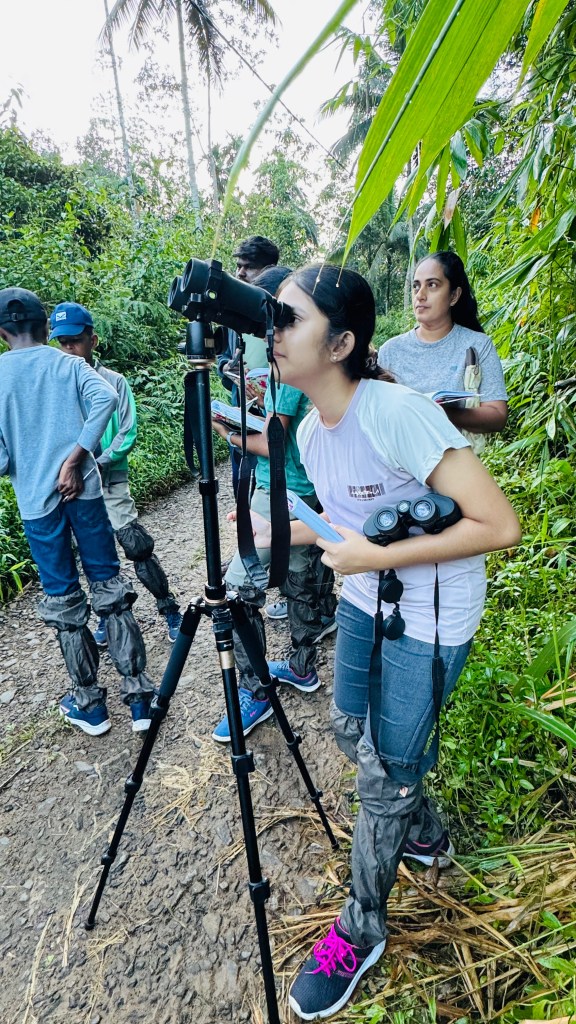
In its first year, I worked with 14 children and 7 teachers from 7 provinces across Sri Lanka. Together, we explored major ecosystems; Horton Plains, Sinharaja, and Wilpattu and brought those lessons back to their schoolyards. Weekly, students and teachers together documented local biodiversity using journals, mobile photography, and smart apps like iNaturalist. Bi-weekly online sessions introduced them to experts and covered topics ranging from species observation to ethics and storytelling.
Importantly, these sessions were delivered in Sinhala and Tamil (The main two local languages in Sri Lanka) to ensure maximum understanding. Teachers received additional support to take ownership of the program, organising their own Bioblitz events and expanding participation within their schools.
By the end of the year, students and teachers weren’t just participating, they were leading. New nature clubs emerged at School level. Schools began embedding biodiversity observation into their weekly routines. The program grew organically, reaching zonal education departments, neighbouring schools, and even students’ families.
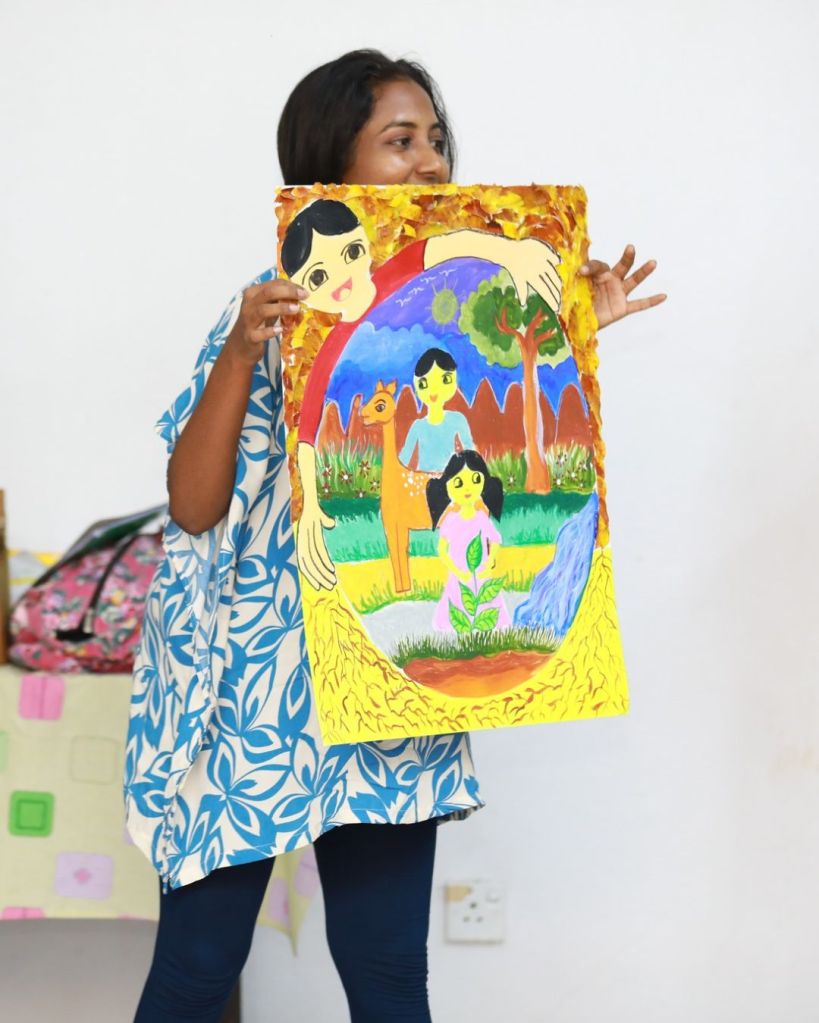
At the heart of the initiative is storytelling. Students shared their personal experiences with nature at the “Schoolyard Stories” exhibition, giving speeches, creating nature art, and reflecting on what they had learned. Teachers shared how the program had shifted their mindset from rigid curriculum delivery to curiosity-driven teaching.
Schoolyard Scientists is a simple, low-cost model, based on school-driven action, not external dependency, makes it sustainable and scalable. Any school, anywhere, can participate. The use of smart tools, open-source apps, and locally available resources ensures that biodiversity documentation is accessible to all.
Through partnerships with organisations like Dilmah Conservation, GYBN Sri Lanka, universities, and zonal education offices, Schoolyard Scientists has grown into a national model. The next phase will focus on a children-led network, training more teachers, creating a facilitation guide, and advocating for national adoption.
This isn’t just a program. It’s a movement. A reminder that nature belongs in every child’s life. That conservation starts with paying attention. And that the best classrooms might be right outside the window.
Follow the movement via @schoolyardscientists
Designed with WordPress
 Eshadi Mendis